Monthly Archives: August 2013

Gardening and Composting with Bunny Berries

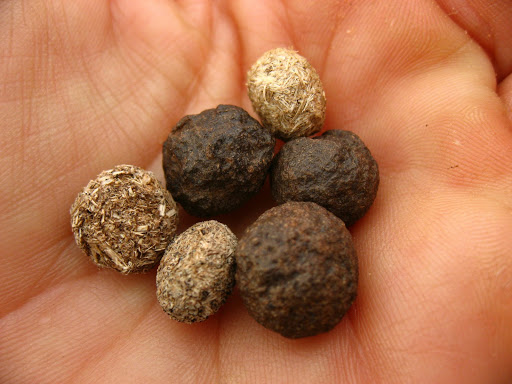
Bunny Berries are excellent for reuse in gardens.

Bunny Berries are excellent for repurposing in gardens.

There’s  no poop that works as well for the garden as rabbit poop. It has all the uber-benefits of horse and steer manure but with a distinct advantage: because it’s considered a “cold” manure, you don’t have to let rabbit poop age or compost before you use it. Other manures that come from chickens, sheep, horse, cows, and pigs or “hot” manures, need to be composted for months before you can safely use them or you’ll burn your plants to death. Not so with rabbit poop.

Rabbit manure is packed with nitrogen, phosphorus, potassium, and many minerals, lots of micro-nutrients, plus many other beneficial trace elements such as calcium, magnesium, boron, zinc, manganese, sulfur, copper, and cobalt just to name a few.

N – P – K VALUES 

Rabbit 2.4 -1.4 -.60

Chicken 1.1-.80-.50

Sheep .70-.30-.60

Horse .70-.30-.60

Steer .70-.30-.40

Dairy Cow .25-.15-.25

As you can see the nutrient values of farm manures and how they measure up and rabbit manure really shines! Rabbit manure also doesn’t smell as strong as other manures making it easy to use.

Grab a handful and spread it all over the garden or fold it into the soil. It’s like time release capsules, as the pellets don’t completely break down right away. It’s slow-release thing.

As they break down, they build your soil’s structure, improve the porosity, add stability, and hold nutrients for plants as well as other organisms in the soil.

Another great way to take advantage of rabbit pellets and all their growing goodness is to make “bunny brew” or rabbit compost tea. Find a five gallon bucket, and a large scoop of rabbit pellets and drop them into the bucket. Give it a good stir every now and again for a day or two.

Let the manure settle and use the tea at the top of the bucket to water your plants. You can dump the remaining manure at the bottom of the bucket onto your compost pile (no waste here). Of course, the proper English way would be to use a big piece of muslin or burlap and make a big tea bag and let it dangle into the bucket!

If I gave you an earful on the virtues of rabbit poop in the garden, then you have to know that this goes double for the compost pile. With even a small pail of rabbit poop every once in a while, you’ll be in nitrogen heaven as far as composting goes. Bunny gold is nitrogen on steroids; it really gets a pile going.

Thanks to The Vegetable Gardener and Rise and Shine Rabbitry for this insight!

Toxic and Poisonous Plants for Rabbits

I have just spent more than an hour searching for the infographic that shares which green things are most certainly inedible for rabbits and come up empty handed.


Because I never want to go through this again, I’ll simply post what I have found about the naturally occuring substances our rabbits should not consume. This particular list is courtesy of Adoptarabbit.com:


Toxic Plants


Following is a partial list of plants that rabbits should not eat. This list is a compilation of lists from various sources.


  • Where available, the parts of the plants to be avoided are included enclosed in parentheses.
  • The exclusion of a specific plant from this list does not indicate that the plant is safe. For a list of fruits and vegetables suitable for rabbit comsumption, please see our ABC’s of Rabbit Safe Vegetables and Fruits.
  • Plants commonly known by more than one name may occur multiple times in the list.
  • If you suspect your rabbit has ingested an unsafe plant, please call your vet and/or your local poison control center or the National Animal Poison Control Center at 1-888-426-4435 (credit card charge).
  • For more information, please see our links at the bottom of this page.


A B C D E F G H I
J K L M N O P Q R
S T U V W X Y Z

A
Agave (leaves)
Almond
Aloe
Amaryllis (bulbs)
Andromeda
Anemone
Angel’s Trumpet
Apple (seeds)
Apricot (all parts except fruit)
Asian Lilly
Asparagus Fern
Australian Nut
Autumn Crocus
Avacado (leaves)
Azalea (leaves)
B
Balsam pear (seeds, outer rind of fruit)
Baneberry (berries, roots)
Barbados Lilly
Begonia
Betel-nut Palm
Bird of Paradise (seeds)
Bitter Cherry (seeds)
Bittersweet (American & European)
Black Nightshade
Black Walnut (hulls)
Bloodroot
Bluebonnet
Boston Ivy
Buddhist Pine
Busy Lizzie
Buttercup (leaves)
Black Locust (seeds,bark, sprouts, foliage)
Blue-green algae (some forms toxic)
Bloodroot
Boxwood (leaves,twigs)
Bracken fern
Branching Ivy
Buckeye (seeds)
Buckthorn (berries, fruit, bark)
Bull Nettle
Buttercup (sap, bulbs)
C
Cactus Thorn
Caladium
Calendula
Calico Bush
Calla Lilly (rhizome, leaves)
Caladiur (leaves)
Carnation
Carolina Jessamine
Castor Bean (seed, leaves – castor oil)
Celastrus
Ceriman
Chalice vine (all parts)
Cherry tree (bark, twig, leaves, pits)
China Doll
Chinaberry tree
Chinese Bellflower
Chinese Lantern
Chinese Evergreen
Choke Cherry (seeds)
Christmas Candle (sap)
Christmas Rose
Chrysanthemum
Cineraria
Clematis
Climbing Nightshade
Clivia (a.k.a Kaffir Lily)
Coffee Bean
Cone Flower
Coral plant (seeds)
Cordatum
Corn Plant
Cowbane
Cowslip
Crown of Thorns
Cuban Laurel
Cuckoopint (all parts)
Cutleaf Philodendron
Cycads
Cyclamen
D
Daffodil (bulbs)
Daisy
Daphne (berries, bark)
Datura (berries)
Day Lily
Deadly Amanita (all parts)
Deadly Nightshade
Death Camas (all parts)
Delphinium (all parts)
Devil’s Ivy
Dieffenbachia (leaves)
Dogbane
Dracaena
Dumb Cane
Dutchman’s Breeches
E
Easter Lilly
Eggplant (all but fruit)
Elderberry (unripe berries, roots, stems)
Elephant Ear (leaves, stem)
Emerald Feather
English Laurel
English Ivy (berries, leaves)
Eucalyptus
F
False Hellebore
False Henbane (all parts)
False Parsley
Fiddle Leaf Fig
Fireweed
Flamingo Plant
Florida Beauty
Flowering Maple
Flowering Tobacco
Foxglove (leaves, seeds)
G
Garden Sorrel
Geranium
German Ivy
Ghostweed (all parts)
Giant Touch-me-not
Glacier Ivy
Gladiola
Glory Lilly
Gold Dust
Golden Chain (all parts)
Golden Pothos
Green Gold
H
Hahn’s Ivy
Hairy Vetch
Hart Ivy
Hawaiian Ti
Heartleaf Philodendron
Heavenly Bamboo
Hemlock, Poison (all parts)
Hemlock, Water (all parts)
Henbane (seeds)
Hogwart
Holly (berries)
Horse Chestnut (nuts, twigs)
Horsehead Philodendron
Horsetail Reed
Hurricane Plant
Hyacinth (bulbs)
Hydrangea
I
Impatiens
Indian Hemp
Indian Rubber
Indian Turnip (all parts)
Indigo
Inkberry
Iris (bulbs)
Ivy, Boston & English (berries, leaves)
J
Jack-in-the-Pulpit (all parts)
Japanese Euonymus
Japanese Show Lily
Japanese Yew
Jasmine
Java Bean (uncooked bean)
Jerusalem Cherry (berries)
Jessamine
Jimson Weed (leaves, seeds)
Johnson Grass
Jonquil
Juniper (needles, stems, berries)
L
Laburnum (all parts)
Lace Fern
Lacy Tree Philodendron
Lady Slipper
Lantana (immature berries)
Larkspur (all parts)
Laurel (all parts)
Laurel Cherry
Lily of the Valley (all parts)
Lima Bean (uncooked bean)
Lobelia (all parts)
Locoweed (all parts)
Lords and Ladies (all parts)
Lupine
M
Macadamia Nut
Madagascar Dragon Tree
Manchineel Tree
Marbel Queen
Marijuana (leaves)
Marsh Marigold
Mauna Loa Peace Lily
Mayapple (all parts except fruit)
Meadow Saffron
Medicine Plant
Mesquite
Mexican Breadfruit
Mescal Bean (seeds)
Milk Bush
Milkweed
Mistletoe (berries)
Mock Orange (fruit)
Monkshood (leaves, roots)
Moonflower
Morning Glory (all parts)
Mother-in-law
Mountain Laurel
Mushrooms (some)
Mustard (root)
N
Nandina
Narcissus (bulbs)
Needlepoint Ivy
Nephtytis
Nicotiana
Nightshades (berries, leaves)
Nutmeg
O
Oak (acorns, foliage) Oleander (leaves, branches, nectar) Oxalis
P
Panda
Parlor Ivy
Parsnip
Patience Plant
Peace Lily
Peach (leaves, twigs, seeds)
Pear (seeds)
Pencil Cactus
Peony
Periwinkle
Peyote
Philodendron (leaves, stem)
Plum (seeds)
Plumosa Fern
Poinsettia (leaves, flowers)
Poison Hemlock
Poison Ivy
Poison Oak
Poison sumac
Pokeweed
Poppy
Potato (eyes & new shoots, green parts)
Precatory Bean
Primrose
Primula
Privet (all parts)
Purple Thornapple
Q
Queensland Nut
R
Ranunculus
Red Emerald
Red Lily
Red Princess
Rhododendron (all parts)
Rhubarb (leaves)
Ribbon Plant
Ripple Ivy
Rosary Pea (seeds)
Rubrum Lily
S
Sago Palm
Schefflera
Self-branching Ivy
Sennabean
Shamrock Plant
Silver Pothos
Skunk Cabbage (all parts)
Snake Palm
Snowdrop (all parts)
Snow-on-the-Mountain (all parts)
Solomon’s Seal
Spindleberry
Split Leaf Philodendron
Star of Bethlehem
Stinkweed
String of Pearls
Sweet Pea (seeds and fruit)
Sweet Potato
Sweetheart Ivy
Swiss Cheese Plant
T
Tansy
Taro Vine
Thornapple
Tiger Lily
Toadstools
Tobacco (leaves)
Tomato (leaves, vines)
Tree Philodendron
Tulip (bulb)
U
Umbrella Plant
V
Vetch (Hairy)
Vinca
Violet (seeds) Virginia Creeper (berries, sap)
W
Walnuts (hulls, green shells)
Water Hemlock
Weeping Fig
Western Lily
Wild Carrots
Wild Cucumber
Wild Parsnip
Wild Peas
Wisteria (all parts)
Wood Lily
Wood-rose
Y
Yam Bean (roots, immature pods) Yellow Jasmine Yew (needles, seeds, berries)
Yucca

For more information…
University of Illinois Toxic Plants Database
ASPCA Poison Control Center
San Diego chapter of HRS Poisonous Plants Page


If you can’t keep it in your pants… at least keep it in the family.

Occasionally there's just something a little... off... about a pairing.

Occasionally there’s just something a little… off… about a pairing.

We went to several family reunions this summer and, truth be told, our 5-year-old daughter developed a bit of a crush on one of her cousins.

I overheard the 7-year-old talking to her about this crush: “You can’t marry him! He’s our cousin! If you get married your kids will have two heads and three eyes!”

Yep. We’ve talked about the dangers of inbreeding our family. As a practice for human beings we are 100% against it.

But rabbits are a different story.

When you’re thinking about how to get the healthiest herd with the least amount of animals, there’s no doubt you have to consider how closely related you want your rabbits to be over the long haul.

We have worked pretty hard to get unrelated animals to start our herd, importing bloodlines from all over the United States. That being said, we’re planning on sticking with these animals and their offspring until we have a very solid “Mad Hatter Rabbit” stamp on any animal that comes from our barn.

The Domestic Rabbits publication by ARBA had a great article about the differences between inbreeding (breeding siblings) and line breeding (breeding father/daughter, mother/son, grandparent/grandchild, etc.). Most of the top breeders utilize line breeding regularly to “stamp in” the breed characteristics they find most desirable.  Additionally, traditional wisdom says if you get a brother/sister pair, produce one mating out of that pair (inbreed) and from that point forward switch to line breeding and you won’t run into problems.

I spoke with a friend who is a geneticist and his experience confirms this philosophy. He told me in scientific studies researchers have deliberately inbred their rabbits, trying to get the most genetically similar test subjects possible. It was only after 18+ generations the researchers began to see problems like malocclusion (wolf teeth), compromised immune systems (sickly rabbits), and other common problems associated with inbreeding.

We have personally bred a brother/sister combination of rabbits that we knew nothing of the genetic history about. The litter produced wolf teeth and poor immunity and we ended up culling it from the breeding program and vowing to never repeat that breeding. But remember – we didn’t have a pedigree on that pair and have no idea how many times their ancestors were inbred before they got to us!

This is another reason it makes sense to spring for a pedigreed rabbit when purchasing stock. In one case we found rabbits from different states but after looking over the pedigrees I discovered the rabbit was related identically to our other rabbit after two generations back! We were able to make an informed decision about whether we wanted that rabbit in our herd.

Typically line breeding makes the good stuff you’re seeing in your rabbit better and the bad stuff worse. It’s like getting a double stuff Oreo – augmenting the genetic qualities with potentially awesome or disastrous results.

Here’s a graphic that might make the idea of line breeding a bit more understandable:

line breeding / inbreeding / outcrossing chart

line breeding / inbreeding / outcrossing chart

Ultimately every breeder must make the decision they feel is best for their herd regarding how tightly they breed their rabbits. We do practice line breeding with moderation and willingness to cull hard if a poor pairing appears. With our Astrex program we must do tight breeding to a certain extent to try to isolate and reinforce the curly gene – while always keeping the health of the rabbit in mind.

Fascinating stuff, huh?!

Blanc de Hotot!

20130820-193027.jpg

We are so excited to welcome Blanc de Hotot to our Rabbitry!

Our friend, Lisa, of Trinity Hallow, lured us into the breed by exposing us to some beautiful rabbits. Then my mom decided she likes Hotot (pronounced oh-toe) and my kids started begging for “mascara bunnies” and we ended up with the number one rare breed in the U.S. camped out in our back yard!

We alternate between calling these guys “mascara bunnies” and “rock stars” but there’s no doubt they have explosive personalities and a certain je ne sais quoi about them. (I start using French phrases when talking about French bunnies. He he!)

It will be a few months before we have any Hotot babies and it will be a new challenge to get show marked rabbits without any random black spots (Blancs are genetically black rabbits with a Big White Spot), but we’re looking forward to the experience!