Monthly Archives: July 2014

A Rabbit with All the Fixin’s

Not so appropriate... but funny!

Not so appropriate… but funny!

This may seem like a silly statement given the website you’re on, but we don’t spay or neuter our rabbits around here.


We are of the belief that if we are raising rare breed rabbits to improve the breed and to provide for our family… we should actually breed the rabbits so spread the gene pool and cure the rumbly in our tumbly. (Logic, it’s a killer.)


However, there are several people around our area with some of our rabbits who keep them completely as pets and have ventured into the spay and neuter territory with their bunnies. While it’s a not a choice we will pursue, it has been the right choice for those owners.


There are a few behavior issues that come with sexual maturity in a rabbit. Bucks will spray or try to rub their scent all over anything they can touch (no joke – a friend had his rabbit trying to hump his feet!). Doe will become extremely irritable and even put out chunks of their fur in frustration. For some, the simple solution to these behaviors is to let the bunnies… breed like bunnies… but for others it might be a better fit to head to the animal hospital for a little snip snip.


Most rabbits fall under exotic pet veterinary practice. This might vary in your geographical region, however. If you decide to spay or neuter your rabbit you’ll want to check around to see if there is a vet who is familiar with rabbits. Many, many veterinarians are not! Rabbits tend to be sensitive to anesthesia, so you’ll want to have someone who is used to working with the lagomorphs or Fluffy Bun Buns might sink into sleep forever. My understanding is that you should expect to pay at least $100 for the procedure as well.


There is an argument out there that fixing your rabbit can extend their lifespan, however I’ve heard many rebuttals to that statement that rabbits are “cancer machines” and, as biologically evolving prey animal, they are going to pass on quickly anyway. I don’t have the personal research to weigh in on this matter myself, but I would definitely encourage anyone worrying about this to ask a LOT of questions of people before you make your final decision regarding the reproductive capabilities of a rabbit.


As I mentioned before, we have not chosen this route for our own rabbits, so if you have a personal story of success or disaster to tell, please do so in the comments!

Using Essential Oils on Your Bunny

So… we’re slowly becoming an “oily” family. We’ve been doing research on Essential Oils, the different companies, and how they work. We haven’t committed to any particular brand or theme as we go about our lives, but every night the kids get their “mellow mix” essential oil on their wrists and we use a mix of tea tree, lavender and chamomile on rabbit scratches all the time. Takes the sting out right away!


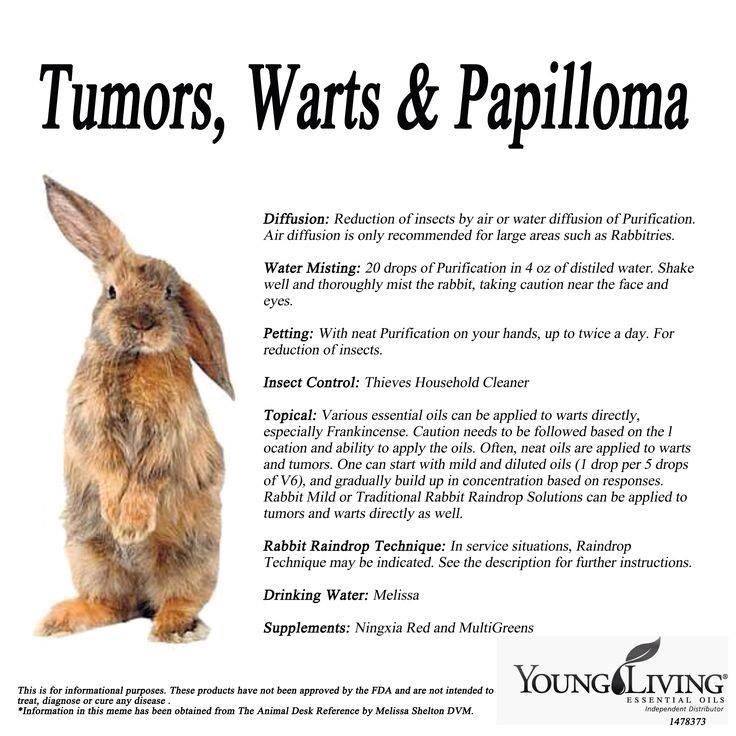
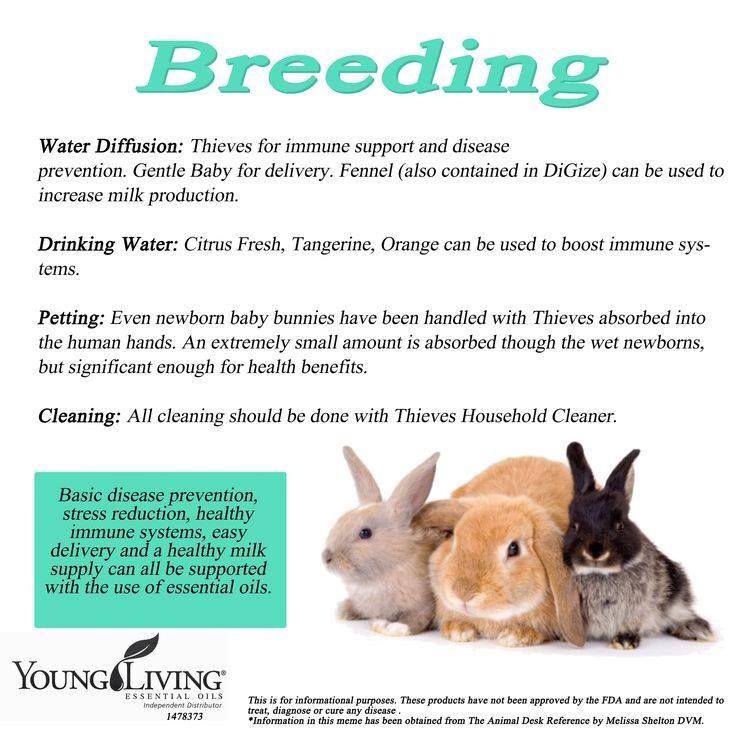
Because we’re so interested in this right now, I was super excited to see these infographics released! I have heard they need to be read carefully (for example, frankincense is allegedly poisonous to rabbits!). Here’s the upshot, this is not an endorsement of any particular essential oils company. Double check with an expert before you use any essential oils on your animals.


And… here they are! The infographics!


10450902_588556381265972_7197946688939265392_n

10473898_588556684599275_7225840526331296547_n

10444772_588556481265962_7054891664499790675_n

1487338_588556577932619_4404072703524151207_n


10462682_588556797932597_82091537180524855_n


10303947_588556917932585_3273905189073541540_n

10350340_588556957932581_3679100367932960682_n

How to Identify Rabbit Body Parts

Even with a background in rabbit showmanship, when we started raising rabbits as adults, I was often confused by the terminology of rabbit husbandry.


Too many big words, not spoken slowly enough!


I’m not sure who created this graphic, but I have saved it on my phone and often refer to it when I am unfamiliar with a term or exactly what a judge is talking about. I hope it’s helpful to you as well!

Knowing what something is called on your rabbit is a big deal!

Knowing what something is called on your rabbit is a big deal!

Organic Meat on a Tight Budget

The government used to encourage citizens toward self-sufficiency.

The government used to encourage citizens toward self-sufficiency.

We’re big fans of self-sufficiency around here, as well as making a dollar stretch like a piece of taffy! One of the main reasons we decided to raise rabbits involved the realization that not only is rabbit meat extremely healthy, low fat and high protein, we would never regularly purchase organic or all natural meat at the grocery store as it was cost prohibitive for our family.


Raising rabbits has allowed us to feed our family a meat we know is healthy, antibiotic-free, and that has been raised  and butchered humanely. Not to mention the carbon footprint of a rabbit is significantly smaller than beef, pork, or poultry for the same amount of consumable food!


Rabbits as livestock even the playing field and give people an opportunity to actively participate in creating a healthy future for their families. Rabbits allow those who live in apartments, have limited income, or don’t have the time to invest in a labor-intensive product to successfully take part in owning their destiny. Developing countries around the world have recognized that rabbits are a way to meet a basic necessity — to eat — as well as work their way out of poverty. In our own country, where far too many people are eating fast food and slowly poisoning their bodies with preservatives, we believe raising rabbits is a viable way to break the cycle of food poverty and obesity!


Rabbits take daily care, but are very low maintenance. While they need regular cleaning, they can also be raised discretely as they make hardly any noise at all. Rabbits have a quick turn around from birth to butcher – I like to joke that they are the impatient person’s perfect animal, as they mature and gestate very quickly in comparison to other livestock animals.


Once upon a time our government encouraged citizens to plant Victory Gardens and raise their own livestock for food. Handouts were an option, but really encouraged only after people did their best to support themselves with the resources they had available to them at the time. I sure do wish we were receiving the same message today.


Six Questions to Ask Before Starting Your Rabbitry

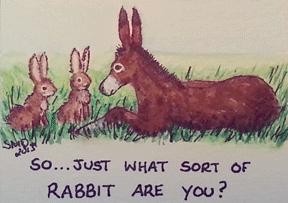
rabbit-are-you-aceo

Sometimes you just need to know how to begin!

I had a great conversation tonight with a friend who is seriously considering raising rabbits. We went around and around about what type of rabbits he should get, what supplies he needed before his initial purchase, what his rabbitry goals would be. The reality is that we can’t answer any of these questions for him – he needs to spend time thinking about what will be the best fit for his purposes. However, we can ask him some questions to get his creative juices going… here are the few he left tonight pondering:


1. How many? The number of rabbits you choose as an initial investment depends on your purposes for your rabbitry. If you are looking to show, you’ll likely want to consider three does and two bucks per breed. You’ll want some options for genetic strength, plus it’s not as much fun to take a single rabbit to a show. Set yourself up for success by giving yourself some options.

If you are specifically breeding for meat, a trio of two does and a buck will be a strong start, even closely related rabbits would be fine to start as long as you have a plan for infusing new blood sometime in the next year or so. Ask yourself how often you’re hoping to have rabbit on the menu? How many mouths are you feeding?


2. What’s your Budget? Your purposes for your rabbitry must inform your anticipated budget.

Are you planning to keep rabbits only for your own consumption? Then an unpedigreed meat mutt might be a good start as they are typically as much as 50% cheaper in initial investment. The downside to an unpedigreed rabbit is you don’t have an idea of the size or colors in the background of the rabbit – of course, if your main goal is for meat… those are considerations that really don’t matter! In this area meat rabbits are sold for around $25 per rabbit (I’ve heard people quote a range from $5 to $35 for a meat mutt around the country).

Are you hoping to sell the babies of your rabbits to offset other rabbitry expenses? Then you’d better be willing to spend a little more for a pedigreed rabbit as your initial purpose – a registered rabbit is even better if you can find one. The pedigreed rabbits I’ve seen advertised are anywhere from $45 to $150+ per rabbit, depending on your lines, the show worthiness, proven or unproven, registered, etc.

Obviously, with that much of a price range, it makes sense to consider your intended outcomes before you make your first stock purchases. I will suggest to purchase the best quality rabbit you can find in your price range. Don’t go simply off of slick websites or advertisements, instead contact several breeders and ask for recommendations.

Facebook is a good way to connect with other rabbit breeders, although be cautious – sometimes the people who post the most and sound the most knowledgable are the same ones you should avoid at all costs. Particularly on Facebook, once you’re in the group for your rabbit breed, spend time reading through the archives of comments and posts. Over time you’ll get a sense of those breeders who have a similar value system to your own… contact them and see what can come from that!


3. What will you Feed? Are you planning on feeding your rabbits pellets or letting them range and eat grasses? A smart buyer will purchase their initial stock from a breeder who is set up similar to what they want to do.

We feed pellets and hay and can give someone a pretty good idea of what weights to expect at which ages in our lines. However, if someone took our rabbit and switched it on to a fodder system I can almost guarantee it would not hit the same weight gains in the same period of time. If someone approaches us wanting meat rabbits for fodder I’m going to encourage them to check in with a few other breeders as our rabbits will likely not perform as well for them. (The caveat to this is that it only takes a few generations of careful culling to transition a rabbit from the desired growth rates on fodder. So the question is how long you’re willing to wait!)


4. Where will they be Housed? Similar to the advice on feed, consider whether the rabbits will have a similar environment to what they have been used to when they come to your home. Our rabbits are outdoors 100% of the time – and they don’t all transition with excellence to an indoor garage rabbitry! On the other hand, we’ve purchased rabbits coming from a garage rabbitry and there’s been a significant adjustment season for them to enjoy life in their new outdoor space with a view!

On the same lines, consider temperatures. A rabbit used to Phoenix temperatures will likely not fare very well in, say, Minnesota if it goes to it’s new home in January! Try to either purchase your stock from a rabbitry in a similar climate to your own or in a “shoulder season” so the rabbit has time to transition to the new season with as little stress as possible.


5. What breed? Do you want a 13+ lbs Flemish Giant rabbit? Is a mini Satin going to be just the right fit on your lap for a snuggle? When you look at your rabbitry, which rabbit is going to take your breath away just by looking at it? Start browsing photos of the different rabbit breeds. Educate yourself on the pros and cons of each breed – they all have both!

Ask yourself again what your goals are for your rabbitry, and what gives you joy. There is a great deal of poop cleaning, water bottle scrubbing, consistent feeding, etc. necessary to care for your rabbit – so whatever you do, get a breed you enjoy watching move! Learn about their personalities and make an educated decision. Genuine pleasure in being around the animal makes the endless hours of husbandry less daunting.


6. What breeder? Do you want a simple transactional purchase of livestock? Do you want to develop a relationship with a breeder? Do you want someone you can contact months after the sale and ask questions about raising your animals? What is the breeder’s philosophy about rabbit raising? Take your time in selecting a breeder.

Some people will be attractive to you right off the bat and you just know they’re the right fit for your first rabbit purchase. Others are the exact opposite and you’ll know you don’t want to work with them right away. Occasionally you’ll work with someone you don’t particularly like because you’re terribly interested in their specific stock!

Challenge yourself to think through some of these questions as you start your search so that you’ll recognize a good fit for a breeder quickly.


Finally,

Relax! Regardless of anything else, relax! It’s a rabbit! We’re over the top crazy about these little critters, but they still are just that… critters! There is not a thing in this hobby/lifestyle that can’t be adjusted or fixed, so try not to freak yourself out with all the options. Just relax, have fun, and be intentional about your rabbitry!

Newest Rare Breeds List Released!

20140706-100603-36363433.jpg

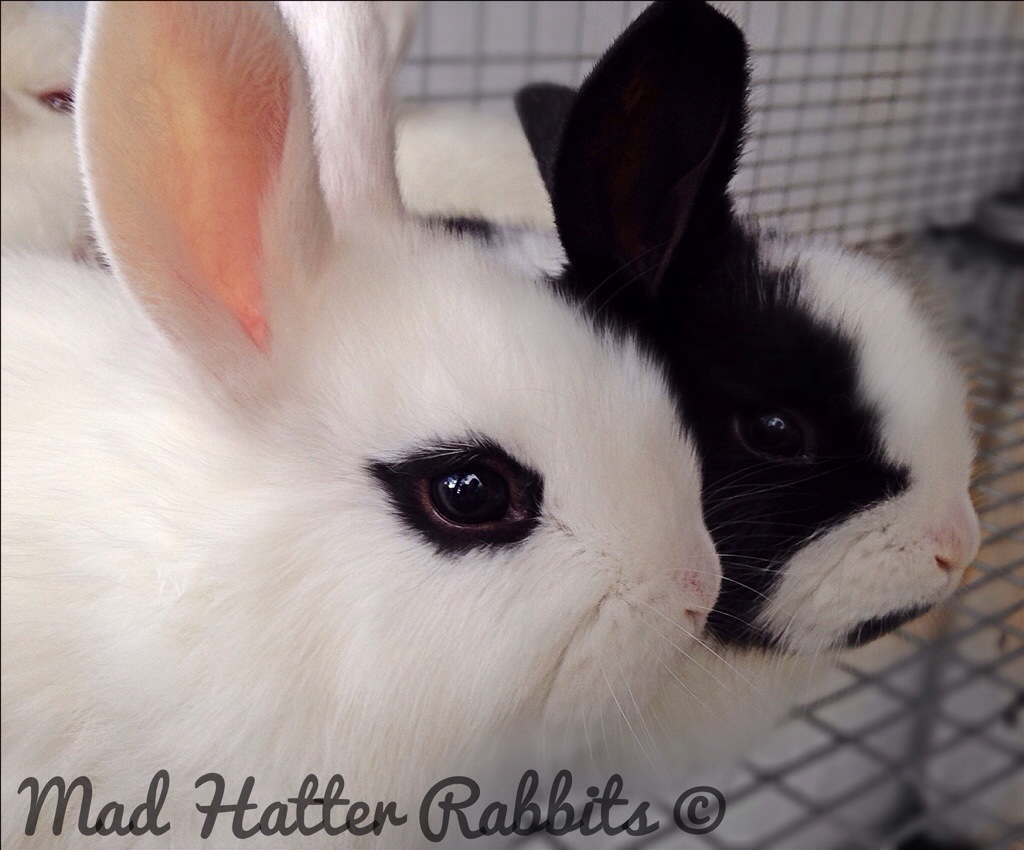
We are pleased to be raising the #1 rare breed in the U.S.! Glad to be doing our part to keep Blanc de Hotot going!

Every three years a “rare breed” list is released. We’ve been raising three of the 15 rare breeds until now… And with the release of this list we now have two! Cinnamon and Silver Fox are making a come back!

What is the Rare Breeds List?
Here is the short version
#1 is most rare, #16 is less rare

2014 Rare Breed Rabbit Rank
(with 2010 rank on right)
1 Blanc de Hotot (1)
2 Giant Angora (2)
3 American (5)
4 Beveren (4)
5 Giant Chinchilla (7)
6 Creme d’Argent (14)
7 Belgian Hare (11)
8 American Sable (10)
9 Satin Angora (6)
10 Cinnamon (3)
11 Lilac (8)
12 Silver (9)
13 American Chinchilla (12)
14 Palomino (16)
15 Standard Chinchilla
16 Rhinelander (15)

Note: Silver Fox was #15, is now #17 and is off the list, but remains as a Watch status. Standard Chinchilla has joined the Rare Breed List as #15