Tag Archives: rabbits

How Do Rabbits Mate?

It’s going to be a little talk on the birds and the bees right now. Hopefully it won’t get too X-rated for you.

In order to get this:

It's a baby bunny.

It’s a baby bunny.

You really need to have this:

Bunnies mating. Artistically.

Bunnies mating. Artistically.

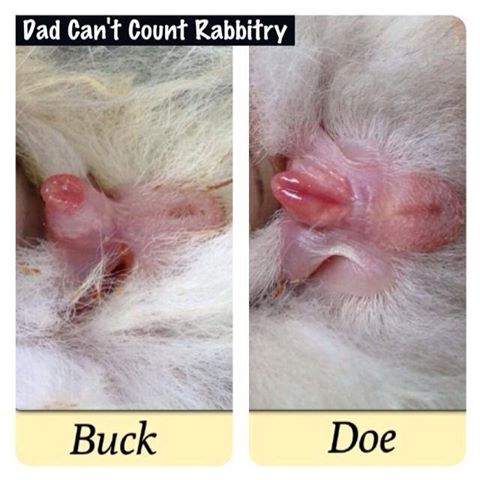
But before you get that, you should make sure you have one each of this:

1459159_467610133360598_2044988860_n

Once that’s all taken care of you might find something like this going on:

And, if you’re really, really lucky you might get a chance to giggle at live version of this:

All clear?


(Thanks to Google, Dad Can’t Count Rabbitry, Sky Island Livestock, and Jason and Crystal Mabb for the visuals for this post!)


(May all your breedings be productive!)

Entertaining your Rabbit

Canning lids are a favorite toy around here.

Canning lids are a favorite toy around here.

Many rabbit owners give their rabbits toys to play with – but it’s not necessary to spend tons of money on toys to keep your rabbit entertained.


Rabbits will play with anything from wiffle balls to golf balls and bells but are equally happy with bits of untreated 2×4 or sheet rock that doubles as a resting board. Natural options include apple wood and willow tree twigs, and pine cones. Baby teething toys like plastic key sets or evenshower curtain rings provide satisfactory noises when thrown around their home.


Toilet paper tubes, empty tissue boxes stuffed with hay, empty oatmeal containers, or boxes give rabbits lots of entertainment.


We’ve recently discovered the metal rings for canning jars are great toys for the rabbits. They’re metal and clang when tossed, plus we can put them in the dishwasher to sanitize and clean them up without ruining them!


IMG_4495


What do you give your rabbits as toys?


Moon Phase Rabbit Breeding

Krappweis / stock.xchng

Krappweis / stock.xchng

I don’t know about you, but I tend to check the Farmer’s Almanac before major surgeries like getting wisdom teeth extracted and when the winter weather map came out I pretty much decided it was gospel and made my plans accordingly.

I don’t have the slightest idea how the Farmer’s Almanac comes up with the stuff they print, but it seems to be proven over the course of time. To be honest, I don’t even read my personal horoscope, so it’s kind of strange that I’ll put stock in something that seems, well… hokey. I am most certainly a skeptic.

Along those same lines are the myths about breeding rabbits according to the moon cycle. There are people who swear they can predict the number of bucks and does born in a litter, the number of show rabbits, and various other items based on breeding their mama do on the waning and waxing, new and full moons.

And then there are those who say, “It’s a rabbit. Stop making it so complicated.”

I fall somewhere in between. Obviously there’s some truth to the idea or it wouldn’t persist… but it doesn’t have the trappings of the scientific method to quantify and qualify the hypothesis. After talking with obstetricians I’ve learned that hospitals typically expect a rush on their labor and delivery departments during a full moon; so whether proven or not, something must make sense about the moon cycle’s affect on the fertility process!

From personal experience I can say we typically breed according to a Breeding Calendar. I’ve discovered when I follow this schedule my does are usually perfectly happy to lift and accommodate the bucks… without it I usually see disinterest or downright menace!

Several of these sites suggest breeding on a new moon to have a doe-heavy litter and a full moon for buck-heavy litters. Farther than that, there’s a belief that moon phases can influence the quality of the litter. Here’s a snapshot I’ve learned from other sites:
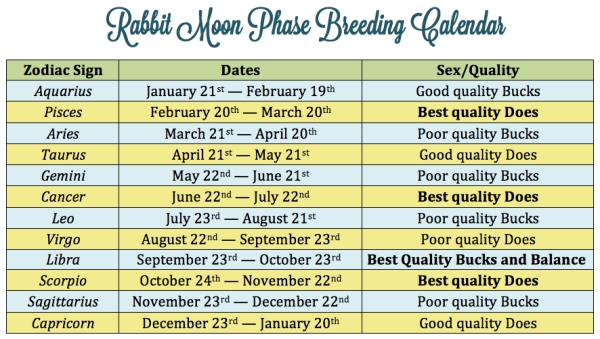
Possible Outcomes when Breeding Rabbits by Zodiac Signs

Possible Outcomes when Breeding Rabbits by Zodiac Signs

So the idea would be to choose which outcome you want (i.e., best quality does), then check the moon phase, and breed your mama doe in that zodiac period during a fertile moon phase and, whammo!, you’ve taken control of a completely uncontrollable process! Ha!

Note – if this worked so scientifically, everyone would do it.. but when I asked other rabbit breeders to give me the birth dates of their best rabbits, every one of the initial 10 responders fit the above graphic!

I suppose the bigger question is: Why do we even care whether we have bucks or does? I heard one person say that more bucks being born was a sign of a hard winter to come. Others try to breed for specific genders so their prospects at large shows are better.

Interesting, huh? It’s an idea each person needs to decide independently, but if you have personal experiences that either prove or disprove these breeding methods, I’d love to hear them in the comments! We will continue to breed based on the calendar, and if I get my act together enough maybe I’ll do some comparisons for gender and litter size in the future.

In the mean time, here are some links I’ve found helpful when educating myself on this topic:

Moon Phase and Gender (via Courtney McCullough’s 2012 California State Science Fair Project) – Results: “The results of the data showed a distinct trend toward a correct hypothesis (that more does would be born if bred during the full moon and more bucks would be born from a litter bred during the new moon). The total number of kits born was 108, with 57 bucks and 51 does born, a typical percentage one might expect; however, during the full moon, there were 7 bucks and 25 does born, and during the new moon, 29 bucks and 9 does were born. When breeding in the middle of the moon phases, there were 21 bucks and 17 does.”

Moon Phase and Litter Size (via Natalie Davis’ 2010 California State Science Fair Project) – Results: “Over 300 individual litters indicated that rabbits bred during a full moon phase had an average of more kits (3.2 kits), than rabbits bred during a new moon or a waxing/waning moon phase (2.8 and 2.7 kits).”

Rabbit Breeding and Moon Phases (via ThreeLittleLadies) – information posted is from 2006 but provides a framework someone with skill in knowing the zodiac and moon phases could recreate fairly easily.

2013 Breeding Calendar (via BunnyRabbit.com) – We use this calendar to plan our litters

2014 Breeding Calendar (via BunnyRabbit.com)

2015 Breeding Calendar (via BunnyRabbit.com)

2016 Breeding Calendar (via BunnyRabbit.com)

2017 Breeding Calendar (via BunnyRabbit.com)

2018 Breeding Calendar (via BunnyRabbit.com)

2019 Breeding Calendar (via BunnyRabbit.com)

2020 Breeding Calendar (via BunnyRabbit.com)

Get the Blues

A few drops of blue food coloring per gallon of water has inhibited algae growth in our water bottles.

A few drops of blue food coloring per gallon of water has inhibited algae growth in our water bottles.

Until we have an automatic watering system we will be best friends with our flip-lid water bottles. I love these bottles and especially the flip top lids – it takes so much less time than unscrewing the nozzle of each bottle to fill with water!

One thing I DO NOT love about water bottles is that they can get “ew!”-stuff inside of them – algae, moths, dirt, etc.

Earlier this year I complained about this at the feed store and one of the workers suggested putting blue food coloring in the water. She told me the blue coloring would inhibit the growth of mossy-type things in the water bottles.

We tried putting 1-2 drops of blue food coloring per gallon of water for months and didn’t think much of it, it was under the category of “can’t hurt, might as well try.” We saw only minimal algae growth over the following months. When we ran out of blue food coloring we tried green for about a week – but that actually seemed to encourage growth in the bottles!

When it was all said and done, space was at a premium I was being cheap. I didn’t want to buy all the other colors of food coloring from the box of four colors I could buy at the grocery and only use the blue, so we finally just gave up on it and for several weeks we haven’t put anything but our normal Apple Cider Vinegar in the water.

Granted, it’s summer time and our bottles spend a few hours a day in direct sunlight, but the algae growth has been impressive! I could scrub those bottles every other day and they’d still not be clean. (If only I could figure a way to market algae – we have been able to produce it!)

Last week after examining the cuts on my hands from scrubbing the bottles – yet again – I broke down and ordered blue food coloring off of Amazon. It arrived yesterday and I’ve been happily dripping the coloring in the water again. I have no scientific proof that this works, but from our real-life assessment, a few drops of blue could be what you need to fight the algae growth in your water bottles, too!

Gardening and Composting with Bunny Berries

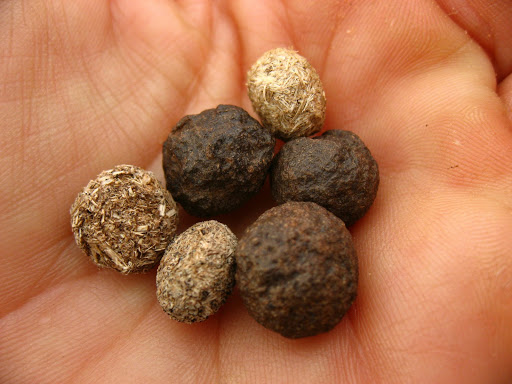
Bunny Berries are excellent for reuse in gardens.

Bunny Berries are excellent for repurposing in gardens.

There’s  no poop that works as well for the garden as rabbit poop. It has all the uber-benefits of horse and steer manure but with a distinct advantage: because it’s considered a “cold” manure, you don’t have to let rabbit poop age or compost before you use it. Other manures that come from chickens, sheep, horse, cows, and pigs or “hot” manures, need to be composted for months before you can safely use them or you’ll burn your plants to death. Not so with rabbit poop.

Rabbit manure is packed with nitrogen, phosphorus, potassium, and many minerals, lots of micro-nutrients, plus many other beneficial trace elements such as calcium, magnesium, boron, zinc, manganese, sulfur, copper, and cobalt just to name a few.

N – P – K VALUES 

Rabbit 2.4 -1.4 -.60

Chicken 1.1-.80-.50

Sheep .70-.30-.60

Horse .70-.30-.60

Steer .70-.30-.40

Dairy Cow .25-.15-.25

As you can see the nutrient values of farm manures and how they measure up and rabbit manure really shines! Rabbit manure also doesn’t smell as strong as other manures making it easy to use.

Grab a handful and spread it all over the garden or fold it into the soil. It’s like time release capsules, as the pellets don’t completely break down right away. It’s slow-release thing.

As they break down, they build your soil’s structure, improve the porosity, add stability, and hold nutrients for plants as well as other organisms in the soil.

Another great way to take advantage of rabbit pellets and all their growing goodness is to make “bunny brew” or rabbit compost tea. Find a five gallon bucket, and a large scoop of rabbit pellets and drop them into the bucket. Give it a good stir every now and again for a day or two.

Let the manure settle and use the tea at the top of the bucket to water your plants. You can dump the remaining manure at the bottom of the bucket onto your compost pile (no waste here). Of course, the proper English way would be to use a big piece of muslin or burlap and make a big tea bag and let it dangle into the bucket!

If I gave you an earful on the virtues of rabbit poop in the garden, then you have to know that this goes double for the compost pile. With even a small pail of rabbit poop every once in a while, you’ll be in nitrogen heaven as far as composting goes. Bunny gold is nitrogen on steroids; it really gets a pile going.

Thanks to The Vegetable Gardener and Rise and Shine Rabbitry for this insight!

Toxic and Poisonous Plants for Rabbits

I have just spent more than an hour searching for the infographic that shares which green things are most certainly inedible for rabbits and come up empty handed.


Because I never want to go through this again, I’ll simply post what I have found about the naturally occuring substances our rabbits should not consume. This particular list is courtesy of Adoptarabbit.com:


Toxic Plants


Following is a partial list of plants that rabbits should not eat. This list is a compilation of lists from various sources.


  • Where available, the parts of the plants to be avoided are included enclosed in parentheses.
  • The exclusion of a specific plant from this list does not indicate that the plant is safe. For a list of fruits and vegetables suitable for rabbit comsumption, please see our ABC’s of Rabbit Safe Vegetables and Fruits.
  • Plants commonly known by more than one name may occur multiple times in the list.
  • If you suspect your rabbit has ingested an unsafe plant, please call your vet and/or your local poison control center or the National Animal Poison Control Center at 1-888-426-4435 (credit card charge).
  • For more information, please see our links at the bottom of this page.


A B C D E F G H I
J K L M N O P Q R
S T U V W X Y Z

A
Agave (leaves)
Almond
Aloe
Amaryllis (bulbs)
Andromeda
Anemone
Angel’s Trumpet
Apple (seeds)
Apricot (all parts except fruit)
Asian Lilly
Asparagus Fern
Australian Nut
Autumn Crocus
Avacado (leaves)
Azalea (leaves)
B
Balsam pear (seeds, outer rind of fruit)
Baneberry (berries, roots)
Barbados Lilly
Begonia
Betel-nut Palm
Bird of Paradise (seeds)
Bitter Cherry (seeds)
Bittersweet (American & European)
Black Nightshade
Black Walnut (hulls)
Bloodroot
Bluebonnet
Boston Ivy
Buddhist Pine
Busy Lizzie
Buttercup (leaves)
Black Locust (seeds,bark, sprouts, foliage)
Blue-green algae (some forms toxic)
Bloodroot
Boxwood (leaves,twigs)
Bracken fern
Branching Ivy
Buckeye (seeds)
Buckthorn (berries, fruit, bark)
Bull Nettle
Buttercup (sap, bulbs)
C
Cactus Thorn
Caladium
Calendula
Calico Bush
Calla Lilly (rhizome, leaves)
Caladiur (leaves)
Carnation
Carolina Jessamine
Castor Bean (seed, leaves – castor oil)
Celastrus
Ceriman
Chalice vine (all parts)
Cherry tree (bark, twig, leaves, pits)
China Doll
Chinaberry tree
Chinese Bellflower
Chinese Lantern
Chinese Evergreen
Choke Cherry (seeds)
Christmas Candle (sap)
Christmas Rose
Chrysanthemum
Cineraria
Clematis
Climbing Nightshade
Clivia (a.k.a Kaffir Lily)
Coffee Bean
Cone Flower
Coral plant (seeds)
Cordatum
Corn Plant
Cowbane
Cowslip
Crown of Thorns
Cuban Laurel
Cuckoopint (all parts)
Cutleaf Philodendron
Cycads
Cyclamen
D
Daffodil (bulbs)
Daisy
Daphne (berries, bark)
Datura (berries)
Day Lily
Deadly Amanita (all parts)
Deadly Nightshade
Death Camas (all parts)
Delphinium (all parts)
Devil’s Ivy
Dieffenbachia (leaves)
Dogbane
Dracaena
Dumb Cane
Dutchman’s Breeches
E
Easter Lilly
Eggplant (all but fruit)
Elderberry (unripe berries, roots, stems)
Elephant Ear (leaves, stem)
Emerald Feather
English Laurel
English Ivy (berries, leaves)
Eucalyptus
F
False Hellebore
False Henbane (all parts)
False Parsley
Fiddle Leaf Fig
Fireweed
Flamingo Plant
Florida Beauty
Flowering Maple
Flowering Tobacco
Foxglove (leaves, seeds)
G
Garden Sorrel
Geranium
German Ivy
Ghostweed (all parts)
Giant Touch-me-not
Glacier Ivy
Gladiola
Glory Lilly
Gold Dust
Golden Chain (all parts)
Golden Pothos
Green Gold
H
Hahn’s Ivy
Hairy Vetch
Hart Ivy
Hawaiian Ti
Heartleaf Philodendron
Heavenly Bamboo
Hemlock, Poison (all parts)
Hemlock, Water (all parts)
Henbane (seeds)
Hogwart
Holly (berries)
Horse Chestnut (nuts, twigs)
Horsehead Philodendron
Horsetail Reed
Hurricane Plant
Hyacinth (bulbs)
Hydrangea
I
Impatiens
Indian Hemp
Indian Rubber
Indian Turnip (all parts)
Indigo
Inkberry
Iris (bulbs)
Ivy, Boston & English (berries, leaves)
J
Jack-in-the-Pulpit (all parts)
Japanese Euonymus
Japanese Show Lily
Japanese Yew
Jasmine
Java Bean (uncooked bean)
Jerusalem Cherry (berries)
Jessamine
Jimson Weed (leaves, seeds)
Johnson Grass
Jonquil
Juniper (needles, stems, berries)
L
Laburnum (all parts)
Lace Fern
Lacy Tree Philodendron
Lady Slipper
Lantana (immature berries)
Larkspur (all parts)
Laurel (all parts)
Laurel Cherry
Lily of the Valley (all parts)
Lima Bean (uncooked bean)
Lobelia (all parts)
Locoweed (all parts)
Lords and Ladies (all parts)
Lupine
M
Macadamia Nut
Madagascar Dragon Tree
Manchineel Tree
Marbel Queen
Marijuana (leaves)
Marsh Marigold
Mauna Loa Peace Lily
Mayapple (all parts except fruit)
Meadow Saffron
Medicine Plant
Mesquite
Mexican Breadfruit
Mescal Bean (seeds)
Milk Bush
Milkweed
Mistletoe (berries)
Mock Orange (fruit)
Monkshood (leaves, roots)
Moonflower
Morning Glory (all parts)
Mother-in-law
Mountain Laurel
Mushrooms (some)
Mustard (root)
N
Nandina
Narcissus (bulbs)
Needlepoint Ivy
Nephtytis
Nicotiana
Nightshades (berries, leaves)
Nutmeg
O
Oak (acorns, foliage) Oleander (leaves, branches, nectar) Oxalis
P
Panda
Parlor Ivy
Parsnip
Patience Plant
Peace Lily
Peach (leaves, twigs, seeds)
Pear (seeds)
Pencil Cactus
Peony
Periwinkle
Peyote
Philodendron (leaves, stem)
Plum (seeds)
Plumosa Fern
Poinsettia (leaves, flowers)
Poison Hemlock
Poison Ivy
Poison Oak
Poison sumac
Pokeweed
Poppy
Potato (eyes & new shoots, green parts)
Precatory Bean
Primrose
Primula
Privet (all parts)
Purple Thornapple
Q
Queensland Nut
R
Ranunculus
Red Emerald
Red Lily
Red Princess
Rhododendron (all parts)
Rhubarb (leaves)
Ribbon Plant
Ripple Ivy
Rosary Pea (seeds)
Rubrum Lily
S
Sago Palm
Schefflera
Self-branching Ivy
Sennabean
Shamrock Plant
Silver Pothos
Skunk Cabbage (all parts)
Snake Palm
Snowdrop (all parts)
Snow-on-the-Mountain (all parts)
Solomon’s Seal
Spindleberry
Split Leaf Philodendron
Star of Bethlehem
Stinkweed
String of Pearls
Sweet Pea (seeds and fruit)
Sweet Potato
Sweetheart Ivy
Swiss Cheese Plant
T
Tansy
Taro Vine
Thornapple
Tiger Lily
Toadstools
Tobacco (leaves)
Tomato (leaves, vines)
Tree Philodendron
Tulip (bulb)
U
Umbrella Plant
V
Vetch (Hairy)
Vinca
Violet (seeds) Virginia Creeper (berries, sap)
W
Walnuts (hulls, green shells)
Water Hemlock
Weeping Fig
Western Lily
Wild Carrots
Wild Cucumber
Wild Parsnip
Wild Peas
Wisteria (all parts)
Wood Lily
Wood-rose
Y
Yam Bean (roots, immature pods) Yellow Jasmine Yew (needles, seeds, berries)
Yucca

For more information…
University of Illinois Toxic Plants Database
ASPCA Poison Control Center
San Diego chapter of HRS Poisonous Plants Page


If you can’t keep it in your pants… at least keep it in the family.

Occasionally there's just something a little... off... about a pairing.

Occasionally there’s just something a little… off… about a pairing.

We went to several family reunions this summer and, truth be told, our 5-year-old daughter developed a bit of a crush on one of her cousins.

I overheard the 7-year-old talking to her about this crush: “You can’t marry him! He’s our cousin! If you get married your kids will have two heads and three eyes!”

Yep. We’ve talked about the dangers of inbreeding our family. As a practice for human beings we are 100% against it.

But rabbits are a different story.

When you’re thinking about how to get the healthiest herd with the least amount of animals, there’s no doubt you have to consider how closely related you want your rabbits to be over the long haul.

We have worked pretty hard to get unrelated animals to start our herd, importing bloodlines from all over the United States. That being said, we’re planning on sticking with these animals and their offspring until we have a very solid “Mad Hatter Rabbit” stamp on any animal that comes from our barn.

The Domestic Rabbits publication by ARBA had a great article about the differences between inbreeding (breeding siblings) and line breeding (breeding father/daughter, mother/son, grandparent/grandchild, etc.). Most of the top breeders utilize line breeding regularly to “stamp in” the breed characteristics they find most desirable.  Additionally, traditional wisdom says if you get a brother/sister pair, produce one mating out of that pair (inbreed) and from that point forward switch to line breeding and you won’t run into problems.

I spoke with a friend who is a geneticist and his experience confirms this philosophy. He told me in scientific studies researchers have deliberately inbred their rabbits, trying to get the most genetically similar test subjects possible. It was only after 18+ generations the researchers began to see problems like malocclusion (wolf teeth), compromised immune systems (sickly rabbits), and other common problems associated with inbreeding.

We have personally bred a brother/sister combination of rabbits that we knew nothing of the genetic history about. The litter produced wolf teeth and poor immunity and we ended up culling it from the breeding program and vowing to never repeat that breeding. But remember – we didn’t have a pedigree on that pair and have no idea how many times their ancestors were inbred before they got to us!

This is another reason it makes sense to spring for a pedigreed rabbit when purchasing stock. In one case we found rabbits from different states but after looking over the pedigrees I discovered the rabbit was related identically to our other rabbit after two generations back! We were able to make an informed decision about whether we wanted that rabbit in our herd.

Typically line breeding makes the good stuff you’re seeing in your rabbit better and the bad stuff worse. It’s like getting a double stuff Oreo – augmenting the genetic qualities with potentially awesome or disastrous results.

Here’s a graphic that might make the idea of line breeding a bit more understandable:

line breeding / inbreeding / outcrossing chart

line breeding / inbreeding / outcrossing chart

Ultimately every breeder must make the decision they feel is best for their herd regarding how tightly they breed their rabbits. We do practice line breeding with moderation and willingness to cull hard if a poor pairing appears. With our Astrex program we must do tight breeding to a certain extent to try to isolate and reinforce the curly gene – while always keeping the health of the rabbit in mind.

Fascinating stuff, huh?!

Games Bunnies Play

Richard Dawson hosts - Games Rabbits Play!

Richard Dawson hosts – Games Bunnies Play!

Thanks to M. Marshall for sharing this via the ARBA Facebook page!


We’re talking mind games here, folks, not binkies.

Here are a few that my bunnies like to play:

Are there Buns in my Oven? A simple guessing game that does like to play. She shows no signs of pregnancy up until the very last moment… and then when you figure she’s not pregnant after all, she presents you with a fine litter and a bunny smirk of satisfaction.

The Dead Buck Game. You go into the rabbitry and your favourite buck is flat out on his side, seemingly not breathing. No amount of calling his name or prodding seems to get a response. Just when you’re ready to go dig a hole out back, he stirs slightly, gives himself a shake and asks what’s for supper.

Nya-nya! You Can’t Make Me! A game enjoyed by all rabbits of all ages. The object is simple: drive the bunny caregiver crazy by refusing to do the simplest things. Can be applied to eating, drinking, breeding, caring for kits or any other aspect of daily bunny life.

Cold Butt aka The Great Bunny Snit. You do some small thing that offends one of your rabbits. The rabbit immediately turns his back on you and shuns you for hours or days, depending on the degree of offendedness. Half the time, you don’t even know what you did wrong.

What Sex Am I This Week? A fun little game played by youngsters. They really enjoy this one when you have a waiting list of buyers.

Escape Hatch Hurry up! “If we get all of this food eaten, we can squirrel our way out through the J-feeder! That crazy woman LOVES to play chase!!!”

Are there Buns in my Oven? Version Two. The object is to drive the bunny caregiver mad with frustration. Bunny lifts for the buck, acts pregnant for the next month getting away with all kinds of crankiness, builds a lovely nest, pulls fur… and then nothing.

How’d They Do That? To keep you guessing, they accomplish impossible things that have no explanation. A good example of this was when we found one of our youngsters roaming around the flower pots one morning. The hutch door that closes with barrel bolts was open, and all the other youngsters were leaning out of the doorway. At least in “Escape Hatch,” there is an explanation!

What Color Am I Going To Be When I Grow Up? In this game,  a black bunny decides that it needs to turn into a rabbit with tipping, or an agouti, or who knows what?!
“I am the Guru Bunny.” One of the kits sits all by itself, eyes closed, usually in a corner, while all the rest of the kits come running up to see ya when you arrive, all bouncing and acting like…well..bunnies… ..ya can almost hear the “Ohm…Ohm….”coming from that back corner.
How Many Ways Can We Waste Feed? This includes digging in the feeder, throwing hay out of the rack, pooping in the feeder….tipping bowls of treats, etc. (My response is to cut back on the amounts. If they aren’t hungry, they can afford to play with food!)


Big thank you to M. Marshall for sharing the creativity!

Classified

Carin / stock.xchng

Carin / stock.xchng

To Whom It May Concern:

I am seeking a bunny ribbit, preferably a dough that is bread or already peruvian, with legs. This dow will be the start of my heard and I would love it if she could be a loop-eared bred. Would prefer the animal to come with it’s own bowel and food for at least a moth. I am not interested in a spade do, as she will be used mostly for bredding. Am also open to a Rex, both the velveteen and regular kind, for the pellets. Please let me know if you are sailing your bunnee, as I would like to have it run free in my pastor as soon as possible.

Tank U.

(This post was inspired by the many classified listings for rabbits filled with misspellings and the humor of my fellow rabbit lovers! This is intended to be humorous, not mean-spirited!)

DID YOU ENJOY THIS POST?

SUBSCRIBE TO THE PAGE, “LIKE” MAD HATTER RABBITS ON FACEBOOK AND FOLLOW @MADHATRABBIT ON TWITTER!

Common Terminology for Rabbits and Rabbit Shows

Sometimes terms can be confusing. Use this guide to help!

Sometimes terms can be confusing. Use this guide to help!

A HUGE “Thank You” to Kim’s Rabbit Hutch for this helpful guide to rabbit terminology.

Buck – A male rabbit
Doe – A female rabbit
Junior – A rabbit under 6 months of age
Senior – A rabbit over 6 months of age
Intermediate or 6/8 – A rabbit between 6-8 months of age. Most common in larger breeds

Varierty – Color of a rabbit
Class – Age group of the rabbit. Either Junior, Intermediate or Senior
Broken – A color in conjunction with white. With either a blanket or spotted pattern of the color on the body.

Solid – A color of a rabbit that is covering the entire body
Agouti – A type of color that has bands and ticking. Most common colors are Chestnut and Chinchilla

Shaded – Refers to colors like Sable Point. These colors have darker colors on the nose, ears, and other parts of the body. While the whole of the body is one solid lighter color.

Molt – A coat that is shedding and out of condition.
Finish – A coat of a rabbit that either lacks finish (poor condition, molting, etc) or has a good finish (well groomed, not molting) could mean the difference between winning and losing.

Pedigree – A piece of paper charting 3 generations of the rabbit with ancestory history.

Registration – A piece of paper also charting 3 generations of the rabbit with ancestory history. This paper however states (for the rabbit it is issued to) that it has free of disqualifications and has been deamed an acceptable representation of said breed. The rabbit also recieves a registration number unqiue to that rabbit.

Ear Number / Tattoo – A series of numbers and/or letters tattooed into the rabbits left ear. Usually no more then 5 are in the ear. A circled R may be tattooed in the left ear if the rabbit has been registered.

Leg – A leg is earned by winning in an ARBA-sanctioned show as long as there are three exhibitors and five rabbits competing for the win. For example, first place in a class of five or more bunnies showed by three or more different exhibitors would earn a leg. For classes without enough exhibitors and/or bunnies, it may be possible to earn a leg by winning BOSV (if there are sufficient numbers of the related sex in the variety), BOV (if there are sufficient numbers in the entire variety), BOS (if there are sufficient number in the related sex of the breed) or BOB (if there are sufficient numbers in the entire breed). A rabbit may only earn one leg per judging.

BOB – Best of Breed
BOS – Best Opposite Sex of Breed (ie. If the BOB rabbit is a buck, BOS winner must be a doe. Which is why it’s called Opposite Sex

BOV – Best of Varierty
BOSV – Best Opposite Sex of Varierty (ie. If the BOV rabbit is a buck, BOSV winner must be a doe. Which is why it’s called Opposite Sex

BOV and BOSV winners go on to compete for BOB and BOS
BIS – Best in Show (this is big. To win it, your rabbit must get BOB. At the end of the show, all of the breeds who had a BOB winner compete to see who is the best of the best.)

1st Runner Up / Reserve to BIS – This is the 2nd place rabbit to who won BIS
2nd Runner Up – This is the 3rd place rabbit to who won BIS
DQ – Disqualification. A rabbit can be disqualified for many reasons. Most common is over the weight limit, bad teeth, or illness present.

Flesh condition – Just like it sounds. If a rabbit is “rough” in flesh it means the skin over the backbone is very loose and thin. Bones are easily felt. Most common in rabbits suffering from some illness, not being fed enough, or does coming off weaning litters.

Open – Usually refers to an all “adult show.” Which means anyone of any age is allowed to enter, but it is usually adults competing with other adults. They will usually add the letters: A, B and C to the end of “Open Show” if they are having multiple shows.

Youth – An all youth only show. Only those 18 and under are allowed to enter these shows. Youth breeders must put their own rabbits on the judging table.

Cull – A breeder goes through a litter selecting ones he/she wishes to keep. The rest are sold (or eaten, if they’re a meat breed.)

Kindling – Term used to mean giving birth to baby rabbits.
Kits – Term describing baby rabbits.
Cavy / Cavies – These are not rabbits. They are shown sometimes at rabbit shows. They are basically guinea pigs.